What the Owner-Occupier Concession Means
The owner-occupier (OO) concession is not a separate scheme — it is a different column in Singapore's residential property tax rate schedule. Properties assessed under the OO tier attract progressively lower rates than investment properties, including a 0% band on the first S$8,000 of Annual Value.
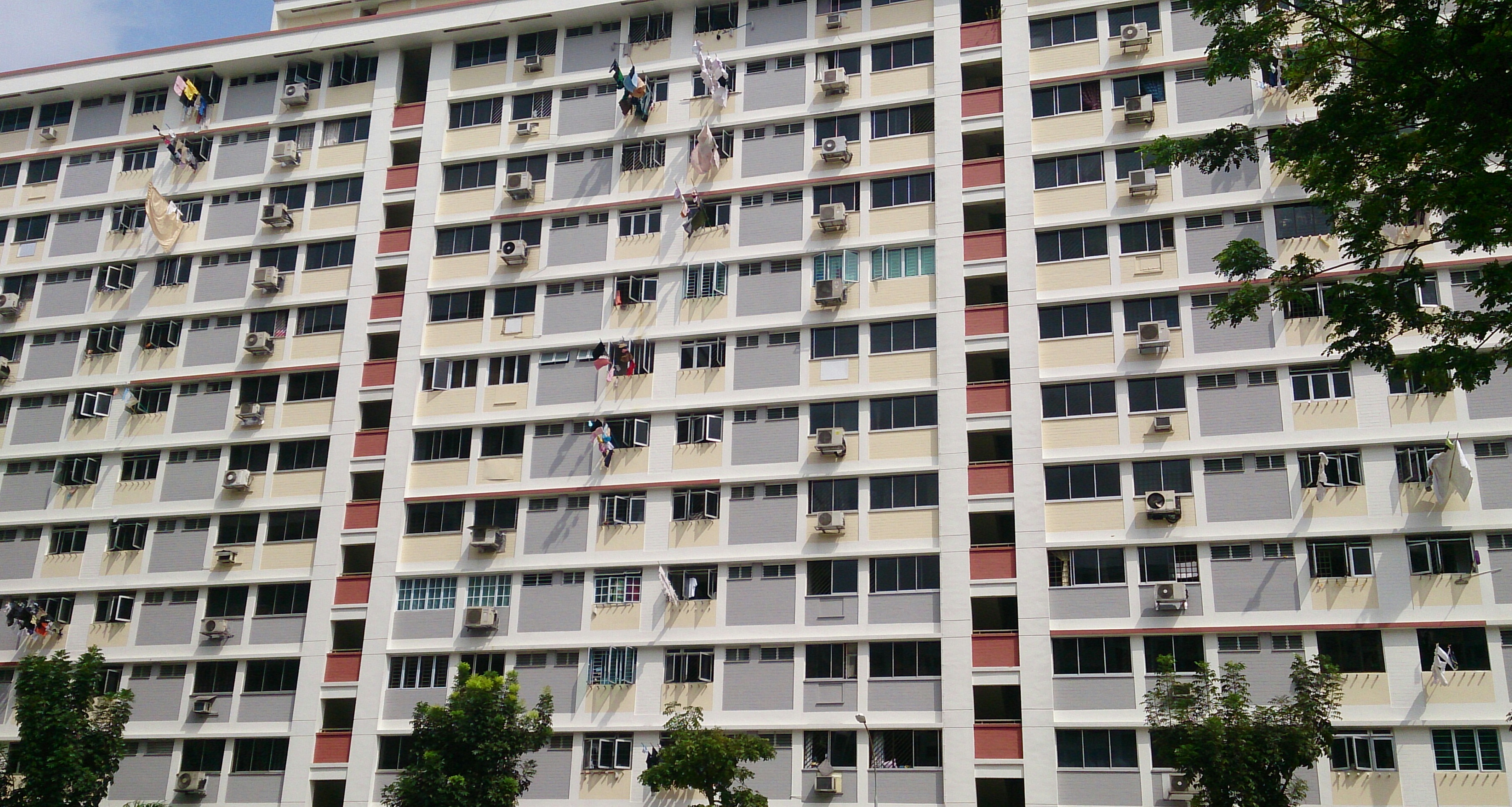
For a typical HDB flat with an AV of around S$11,000, the practical effect is an annual tax bill in the range of S$100 to S$200. Without the concession, the same flat would be taxed at the non-owner-occupier rates starting at 11%, producing a bill closer to S$1,200–S$1,500. The difference can represent more than a month of utility costs for many households.
Eligibility Conditions
IRAS grants the owner-occupier rate when three conditions are simultaneously met:
- The property is residential in nature (landed home, HDB flat, or private apartment).
- The owner is registered as occupying the property as their principal place of residence — typically confirmed through the address on the owner's NRIC or valid pass.
- The owner has applied for the concession or is automatically granted it (in the case of most HDB flat purchases where the CPF board and HDB notify IRAS).
Only one property per owner can receive the owner-occupier concession at any time. If an owner holds two or more residential properties and lives in one, the concession applies to the occupied unit; the others are taxed at non-owner-occupier rates.
HDB Flat Owners
For most HDB flat buyers, the owner-occupier status is applied automatically from the date of possession. IRAS is notified through inter-agency data sharing with HDB. Owners do not need to file a separate application unless they have moved and the IRAS records have not been updated.
Private Property Owners
Private residential property owners must apply to IRAS for the owner-occupier concession. This is done online through the myTax Portal. The application requires the owner to confirm that the property is their principal residence and to provide their NRIC address on record with the Immigration and Checkpoints Authority (ICA).
If the application is approved, the concession takes effect from the date of the owner's occupation, subject to IRAS verification. Retroactive adjustments are possible if the owner applied late but can demonstrate earlier occupancy.
Situations That Remove the Concession
The OO concession lapses when the occupancy conditions are no longer met. The most common triggers include:
- Renting out the entire property. Even a single tenancy covering the whole unit converts the property to the non-owner-occupier schedule from the tenancy commencement date.
- Leaving the property vacant for an extended period while moving the NRIC address elsewhere.
- Transfer of ownership — the concession does not transfer automatically to a new buyer. The incoming owner must apply afresh.
- Owner relocating abroad and de-registering their Singapore address.
Owners are required to notify IRAS within 15 days of any change that affects eligibility. Failure to do so may result in back-taxes, interest, and penalties for the period the concession was improperly enjoyed.
Partial Renting
Renting out one or more rooms while the owner continues to reside in the property does not disqualify the concession. IRAS's position is that as long as the owner is genuinely in occupation, the principal-residence test is met. Owners who rent rooms should nonetheless keep documentation — signed room tenancy agreements, utilities in their name — in case IRAS requests verification.
The Property Tax Rebate Scheme
Separate from the rate concession, the Singapore government has issued property tax rebates in specific years as a fiscal support measure. These rebates — announced as part of the Budget each February — apply as a percentage reduction on the assessed tax amount and are credited directly against the outstanding bill.
Rebates in recent years have primarily targeted owner-occupied residential properties, with larger percentage reliefs for HDB flat types. The exact quantum and scope are announced in the Budget statement and published on the IRAS rebate page.
Claiming the Concession After a Delay
If a property owner realises they have been taxed at the non-owner-occupier rate for a period during which they were actually in residence, they can apply retrospectively. IRAS may refund overpaid tax for up to five preceding years if the owner provides satisfactory evidence of occupation — such as a utility bill history, school enrolment records for children at that address, or a declaration signed by a neighbour or management corporation.
Impact of 2023–2024 Rate Revisions
As part of broader measures to moderate Singapore's property market, the government raised non-owner-occupier residential property tax rates in stages during 2023 and 2024. The top non-OO rate increased to 32% (from 20% previously), widening the gap between the two tiers. Owner-occupier rates remained relatively stable, preserving the fiscal incentive for genuine homeownership and limiting the tax burden on primary-residence owners.
The direction of policy — progressive rates, heavier taxation on investment-held stock, and a protected 0% band for OO properties — has remained consistent across successive Singapore budgets since the early 2010s.