The Foundation: Annual Value
Every property tax bill in Singapore starts with a figure called the Annual Value (AV). Defined in the Property Tax Act, the AV is the estimated gross annual rent a property would command on the open market — unfurnished, with the tenant responsible for maintenance and repair, and the landlord paying property tax.
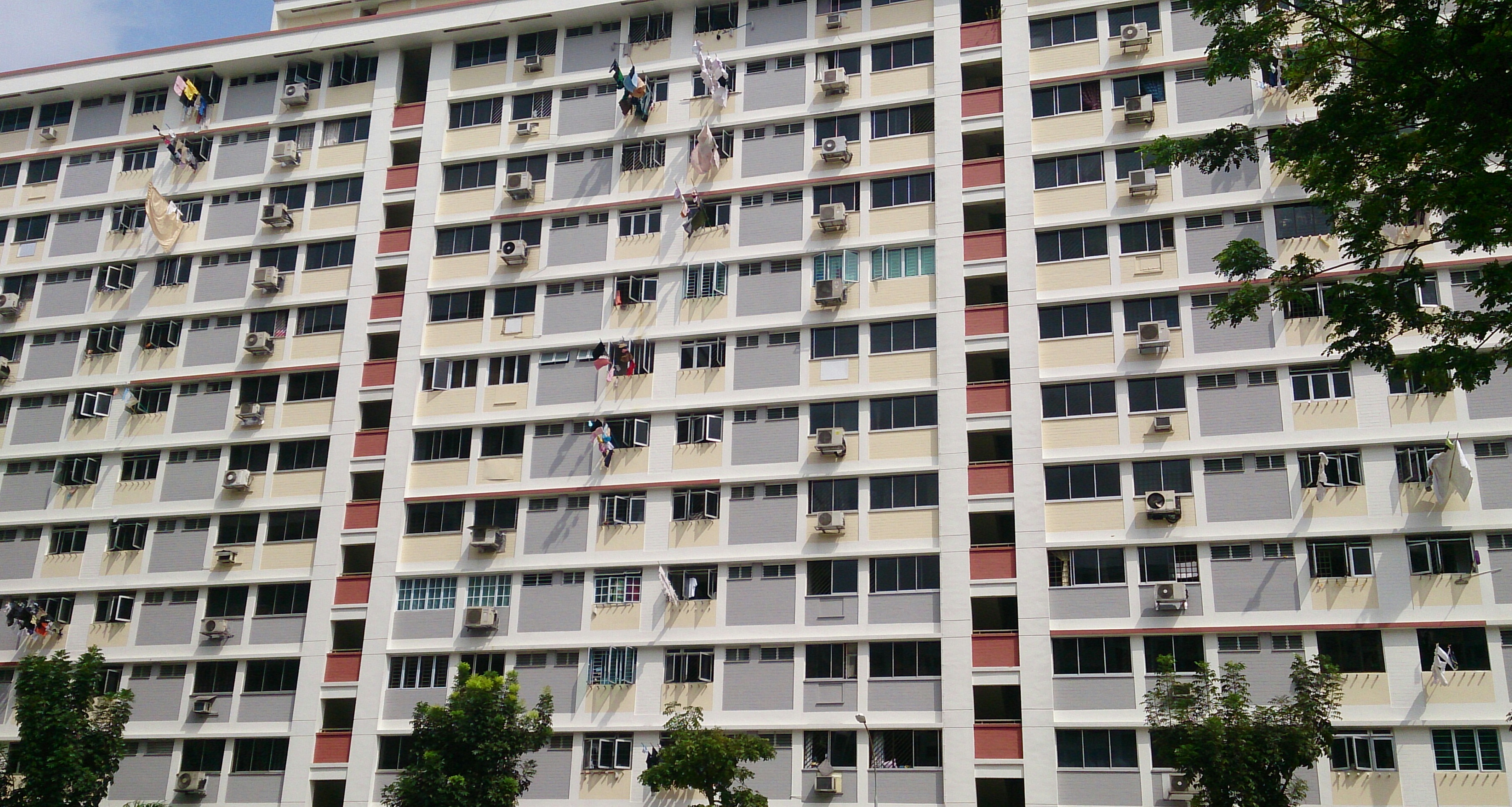
The Inland Revenue Authority of Singapore (IRAS) sets the AV by examining actual rents paid for comparable properties in the same area. For most private residential properties, this means looking at lease transactions within a one to three kilometre radius over the preceding 12 months. For HDB flats, comparable rentals registered with HDB's Resale Flat Portal provide the benchmark.
A critical point: AV is not linked to the market sale price of a property. A unit with a S$2 million market value may carry a lower AV than a smaller unit in a precinct where rentals are unusually high. The connection runs through rental yield, not capital value.
How AV Is Reviewed
IRAS reviews AVs periodically, typically annually. When market rents move — upward or downward — IRAS may revise the AV accordingly. Owners receive a Notice of Assessment reflecting the updated figure. If the revision results in a higher AV, the tax bill increases from the effective date stated in the notice.
Owners who disagree with an AV determination have a formal objection process. A written objection must be filed with IRAS within 30 days of the date on the Notice of Assessment. IRAS then reviews the objection, typically requesting supporting evidence such as signed tenancy agreements or comparable rental data. If the owner and IRAS cannot reach agreement, the matter can be referred to the Valuation Review Board.
The Rate Structure
Singapore taxes residential property on a progressive scale. The applicable rates differ based on whether the owner occupies the property as a principal residence (owner-occupier tier) or not (non-owner-occupier tier).
Owner-Occupier Progressive Rates (2024 onwards)
| Annual Value Band (S$) | Rate | Tax on Band |
|---|---|---|
| First 8,000 | 0% | S$0 |
| Next 47,000 (up to 55,000) | 4% | S$1,880 |
| Next 15,000 (up to 70,000) | 6% | S$900 |
| Next 15,000 (up to 85,000) | 10% | S$1,500 |
| Next 15,000 (up to 100,000) | 14% | S$2,100 |
| Above 100,000 | 20% | Varies |
Non-Owner-Occupier Progressive Rates (2024 onwards)
| Annual Value Band (S$) | Rate | Tax on Band |
|---|---|---|
| First 30,000 | 11% | S$3,300 |
| Next 15,000 (up to 45,000) | 16% | S$2,400 |
| Next 15,000 (up to 60,000) | 21% | S$3,150 |
| Next 15,000 (up to 75,000) | 27% | S$4,050 |
| Above 75,000 | 32% | Varies |
Worked Examples
Example 1: 4-room HDB flat, owner-occupied, AV S$11,000
First S$8,000 × 0% = S$0
Remaining S$3,000 × 4% = S$120
Total annual tax: S$120
This is a typical bill for a mid-sized HDB flat in a non-central location. The 0% band absorbs the first S$8,000 entirely, so only S$3,000 is taxed at 4%.
Example 2: Private condominium, non-owner-occupied, AV S$48,000
First S$30,000 × 11% = S$3,300
Next S$15,000 × 16% = S$2,400
Remaining S$3,000 × 21% = S$630
Total annual tax: S$6,330
The same unit, had it been owner-occupied, would attract a much lower bill: roughly S$2,480 using the owner-occupier schedule. The gap illustrates the fiscal premium applied to investment-held residential stock.
When Tax Liability Begins and Ends
Property tax is assessed from the date a property is first built and remains in force until the property is demolished or its use changes to an exempt category (such as a registered place of worship). Vacant properties are not exempt — the IRAS continues to tax them at the non-owner-occupier rate.
On sale, property tax is apportioned between buyer and seller based on the completion date, as set out in the sale agreement. Conveyancing lawyers typically handle this adjustment at the point of settlement.
Payment Methods and Timelines
Annual property tax bills are issued each December for the following year and carry a payment due date of 31 January. IRAS offers several payment channels: GIRO (which allows monthly instalments without surcharge), internet banking, AXS kiosks, and SingPost branches.
Late payment attracts a 5% penalty surcharge on the outstanding amount. If the tax remains unpaid after a statutory period, IRAS may take enforcement action, including the seizure of assets or registration of a charge against the property title.


