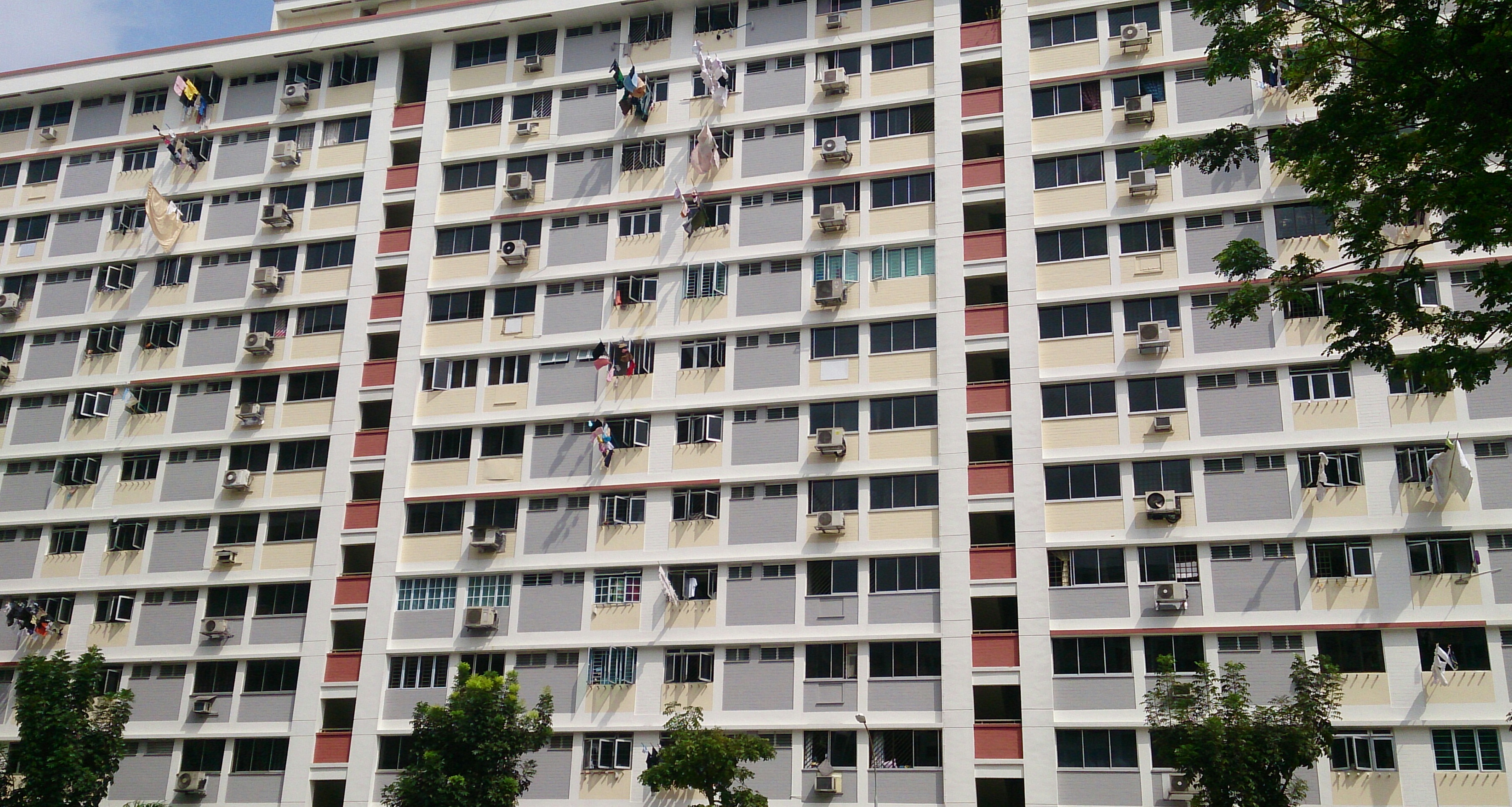
A structured reference on how Annual Value is determined, what progressive rates apply, and which concessions lower the bill for those who occupy their own homes.
Read the guides Send a questionThree detailed reads on the mechanics, concessions, and filing process behind Singapore's residential property tax system.
Annual Value, progressive rate schedules, and the step-by-step arithmetic behind every residential property bill — explained without jargon.
Lower rates, the 0% band, rebate schemes, and the specific conditions that determine whether a property qualifies for the owner-occupier tier.
Step-by-step walkthrough of myTax Portal, the documents needed, how to object to your Annual Value, and what to do if you miss a deadline.
Singapore uses a progressive rate structure that differs depending on whether the owner lives in the property.
| Annual Value (S$) | Rate |
|---|---|
| First 8,000 | 0% |
| Next 47,000 | 4% |
| Next 15,000 | 6% |
| Next 15,000 | 10% |
| Next 15,000 | 14% |
| Above 100,000 | 20% |
Applicable when the owner uses the property as their principal place of residence and has applied for the concession with IRAS.
| Annual Value (S$) | Rate |
|---|---|
| First 30,000 | 11% |
| Next 15,000 | 16% |
| Next 15,000 | 21% |
| Next 15,000 | 27% |
| Above 75,000 | 32% |
Applies to investment properties, vacant units, and homes where the owner does not reside. Rates rose in 2023–2024 as part of property cooling adjustments.
Annual Value (AV) is the estimated gross annual rent a property could fetch if it were put on the open market — excluding furniture and furnishings. IRAS determines the AV by studying comparable rental transactions in the same locality. For HDB flats, the AV typically ranges from S$9,000 to S$18,000 depending on flat type and location. For private condominiums and landed homes, the figure can be substantially higher.
AV is reviewed periodically. When market rents shift significantly, IRAS adjusts the AV, which in turn changes the tax bill. Owners who disagree with a revised AV have the right to file a formal objection within 30 days of the notice.
This archive is maintained as a reference resource. If you have a factual correction or want to share additional context on any of the topics covered, the form accepts messages year-round.